
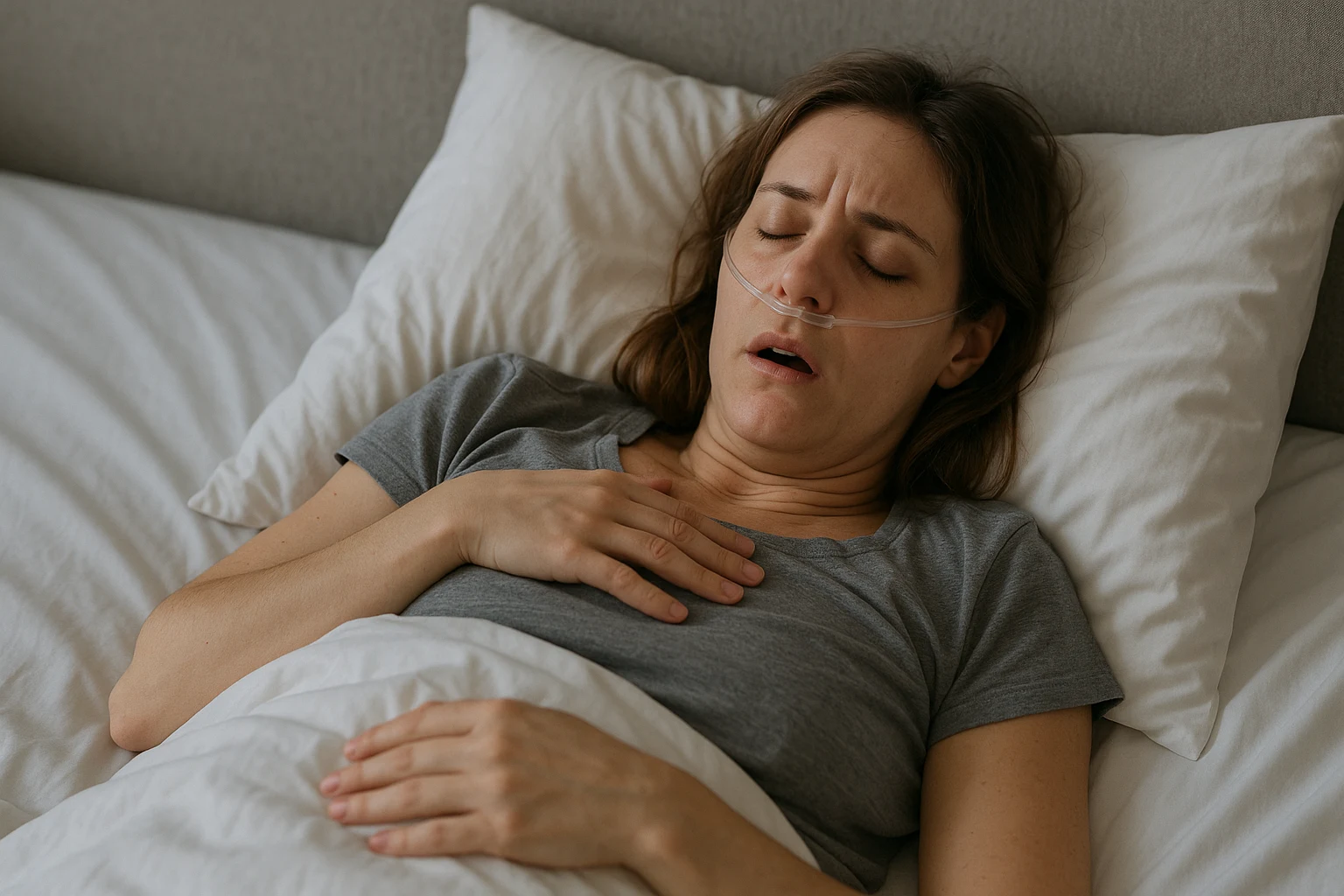
Chronic fatigue can feel like a constant battle—one that impacts your productivity, mood, health, and overall quality of life. While many adults assume exhaustion is simply part of a busy lifestyle, sleep specialists know there’s often an underlying cause. One of the most frequently overlooked issues is upper airway resistance syndrome, a condition that disrupts sleep without the dramatic pauses in breathing seen in sleep apnea.
At Sonno Sleep Centers, we help patients uncover the hidden sleep issues that keep them tired, foggy, and unwell. Understanding what makes UARS unique—along with its symptoms, risks, and treatments—can help you finally reclaim restorative rest.
Understanding What UARS Really Is
UARS is part of a spectrum of sleep-related breathing disorders that make it harder to maintain smooth airflow at night. Unlike obstructive sleep apnea, where the airway collapses completely, UARS is caused by subtle airway narrowing. This restriction forces your body to work harder to breathe, raising stress levels and fragmenting sleep.
Even though breathing doesn’t stop entirely, your brain repeatedly “micro-arouses” to increase airflow. You may never fully wake up, but your sleep becomes lighter, disrupted, and far less restorative.
Recognizing UARS symptoms
One of the reasons UARS is often missed is because it doesn’t always cause loud snoring or obvious breathing abnormalities. Instead, patients typically experience:
- Chronic daytime fatigue
- Morning headaches
- Brain fog or difficulty concentrating
- Unrefreshing sleep
- Frequent nighttime awakenings
- Increased irritability or anxiety
- Cold hands and feet due to autonomic nervous system involvement
These UARS symptoms can easily be mistaken for stress, insomnia, hormonal imbalance, or lifestyle burnout—which is why proper sleep testing is essential.
The Difference Between UARS vs sleep apnea
Although UARS and obstructive sleep apnea share some similarities, key differences set them apart:
- Apnea involves repeated airway collapse; UARS involves partial restriction.
- Apnea often includes oxygen drops; UARS usually maintains normal oxygen levels.
- Apnea commonly presents with loud snoring; UARS may not include any snoring at all.
- UARS patients may appear “healthy” or have lower body weight, making the condition harder to detect.
Understanding these distinctions is vital because untreated UARS can eventually progress into sleep apnea or lead to severe chronic fatigue.
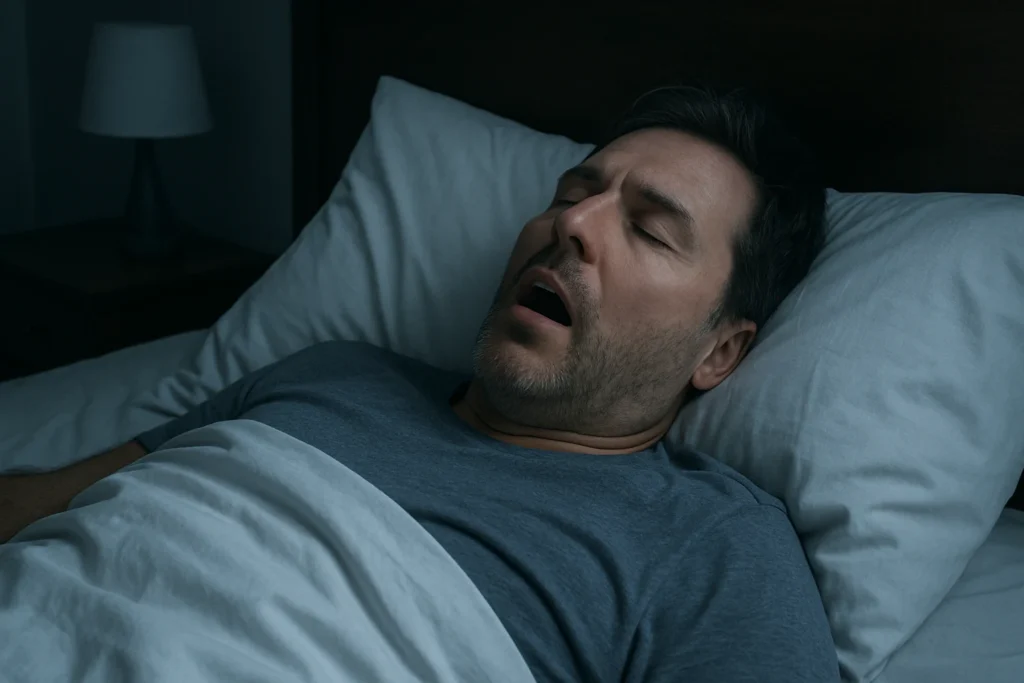
How UARS Affects breathing during sleep
When airway resistance rises, your body goes into overdrive trying to pull air in through a narrowed passageway. This increases effort, strains your respiratory muscles, and forces the brain to stay alert during sleep.
Here’s what actually happens during breathing during sleep with UARS:
- The airway narrows due to soft tissue resistance.
- Your chest and abdomen work harder to compensate.
- Micro-arousals prevent deep, restorative sleep stages.
- Stress hormones spike, elevating heart rate and blood pressure.
Even though oxygen levels typically remain normal, the body stays trapped in a fight-or-flight pattern throughout the night, leading to chronic exhaustion.
Common sleep-related breathing disorders Linked to UARS
UARS is part of a broader group of airway disturbances that include:
- Mild obstructive sleep apnea
- Habitual snoring with airway resistance
- Flow limitation breathing patterns
- Subclinical respiratory events
Identifying where you fall on this spectrum helps sleep specialists design treatments that specifically target your airway function, not just your symptoms.
Addressing Fatigue with UARS treatment options
The good news? UARS is highly treatable. Many patients experience dramatic improvement once their airway obstruction is addressed. The most effective UARS treatment options include:
- Continuous Positive Airway Pressure (CPAP): Prevents airway narrowing and stabilizes airflow.
- Oral appliances: Reposition the jaw to increase airway space.
- Myofunctional therapy: Strengthens the tongue and airway muscles.
- Allergy or congestion treatment: Reduces nasal resistance.
- Weight and lifestyle adjustments: Helpful when anatomical factors contribute to symptoms.
- Positional therapy: Prevents airway collapse in back-sleepers.
A personalized sleep evaluation is essential for choosing the best treatment.
Why UARS Should Not Be Ignored
Untreated UARS keeps the body in a state of constant nighttime stress, which can worsen chronic fatigue, impair cognitive function, affect mood balance, and ultimately degrade long-term health. The condition is easy to overlook—but once identified, treatment can restore deep sleep and dramatically improve daily functioning.
A proper sleep evaluation is the first step to understanding why you’re exhausted and how your airway affects your rest. Sonno Sleep Centers offers comprehensive diagnostics and personalized care to help you sleep—and live—better.
Conclusion
Chronic fatigue isn’t just a normal part of aging, stress, or a busy life—it’s often a sign that your sleep is being disrupted on a deeper level. When airflow is restricted, even slightly, your brain must work overtime to protect your breathing, leaving you tired, foggy, and unrefreshed. Understanding these subtle disruptions empowers you to take action. With proper evaluation and targeted treatment, you can reclaim deep, restorative rest and finally wake up feeling like yourself again.