
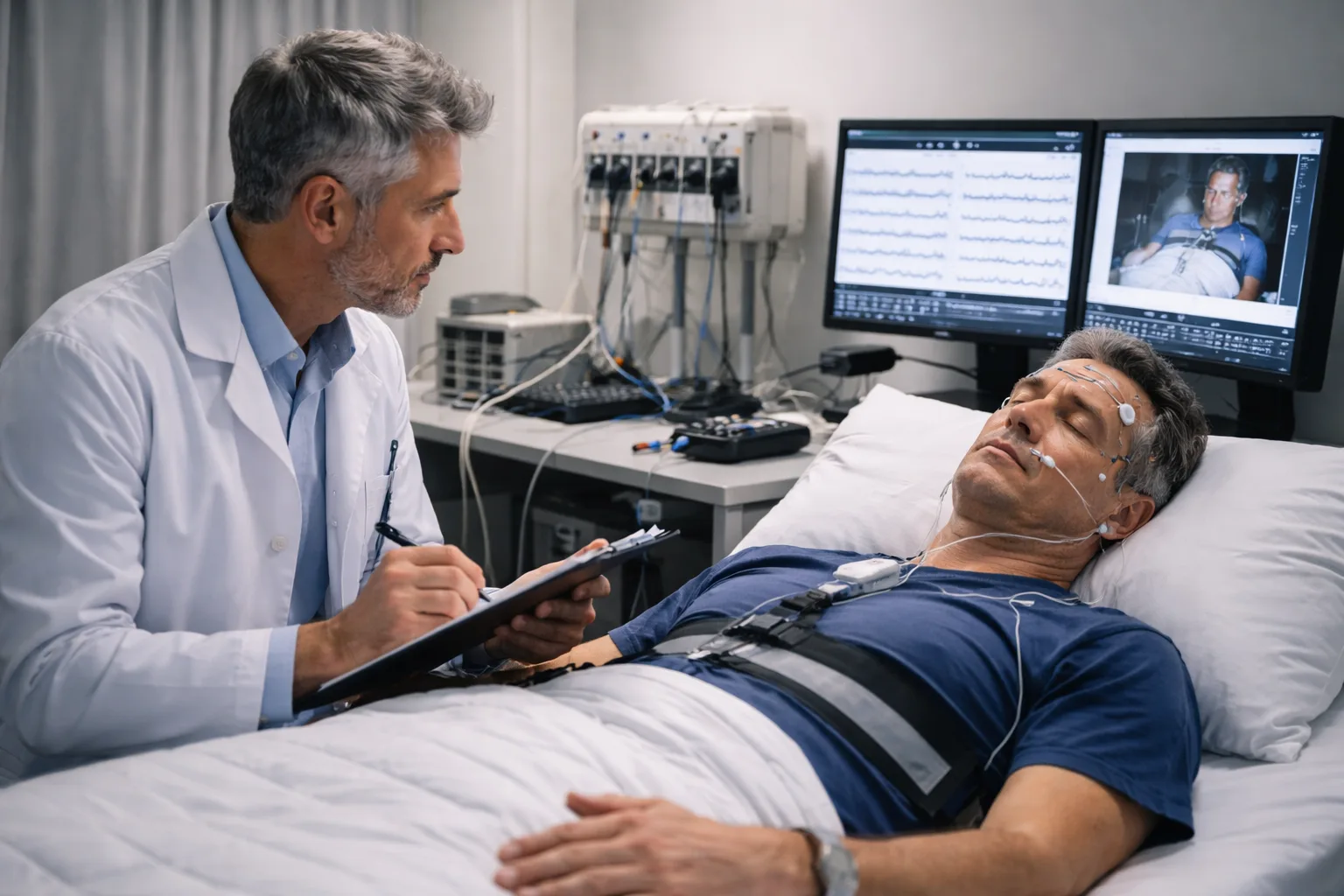
When sleep problems persist, many people feel unsure about where to turn or what to expect from professional care. Fatigue, poor concentration, and unrefreshing sleep often become part of daily life, even though they shouldn’t be. A sleep evaluation is designed to uncover what’s truly happening during the night and why restorative sleep may be missing.
At SONNO SLEEP CENTER, a sleep evaluation goes far beyond simply asking how many hours you sleep. It is a detailed medical process that looks at how your body functions during sleep, identifying disruptions that may be affecting your health, energy, and overall quality of life.
Why a Sleep Evaluation Is So Important
Sleep is a complex biological process involving the brain, heart, lungs, muscles, and nervous system. When one part of this system is disrupted, the effects can ripple throughout the body. Many sleep disorders develop gradually, making them easy to overlook or misattribute to stress or aging.
A professional sleep evaluation helps identify hidden problems early, allowing for targeted treatment before long-term health consequences develop.
The First Step: Understanding Your Sleep History
Every evaluation begins with a detailed discussion of your sleep patterns, lifestyle, and symptoms. This step is critical because sleep disorders often present differently from person to person.
During a sleep clinic visit, specialists may ask about:
- Bedtime and wake-up routines
- Difficulty falling or staying asleep
- Snoring or breathing concerns
- Daytime fatigue or sleepiness
- Morning headaches
- Mood changes or memory issues
These conversations help guide the next steps of testing and evaluation.
Recognizing Symptoms That Point to a Sleep Disorder
Many people don’t realize their symptoms are connected to sleep. Certain patterns, however, strongly suggest the presence of an underlying condition.
Common symptoms of sleep disorders include:
- Feeling unrefreshed despite adequate sleep time
- Excessive daytime sleepiness
- Loud or chronic snoring
- Pauses in breathing during sleep
- Restless or fragmented sleep
- Difficulty concentrating
- Irritability or mood changes
When these symptoms persist, further evaluation becomes essential.
How Specialists Identify Sleep Disorders
A key goal of the evaluation process is accurate sleep disorder diagnosis. Because many sleep conditions share overlapping symptoms, guessing or self-diagnosing often leads to ineffective treatment.
Sleep specialists are trained to recognize subtle differences between conditions such as:
- Obstructive sleep apnea
- Insomnia
- Restless legs syndrome
- Circadian rhythm disorders
- Parasomnias
Proper diagnosis ensures that treatment addresses the true cause rather than just managing surface-level symptoms.
What Happens During a Sleep Clinic Consultation
A sleep clinic consultation provides a comprehensive medical review. This includes discussing your medical history, medications, lifestyle factors, and any conditions that may affect sleep, such as heart disease, anxiety, or chronic pain.
Specialists also evaluate risk factors such as:
- Body weight and neck circumference
- Family history of sleep disorders
- Work schedules or shift work
- Alcohol or caffeine use
This information helps determine whether further testing, such as a sleep study, is necessary.
Understanding the Sleep Study Process
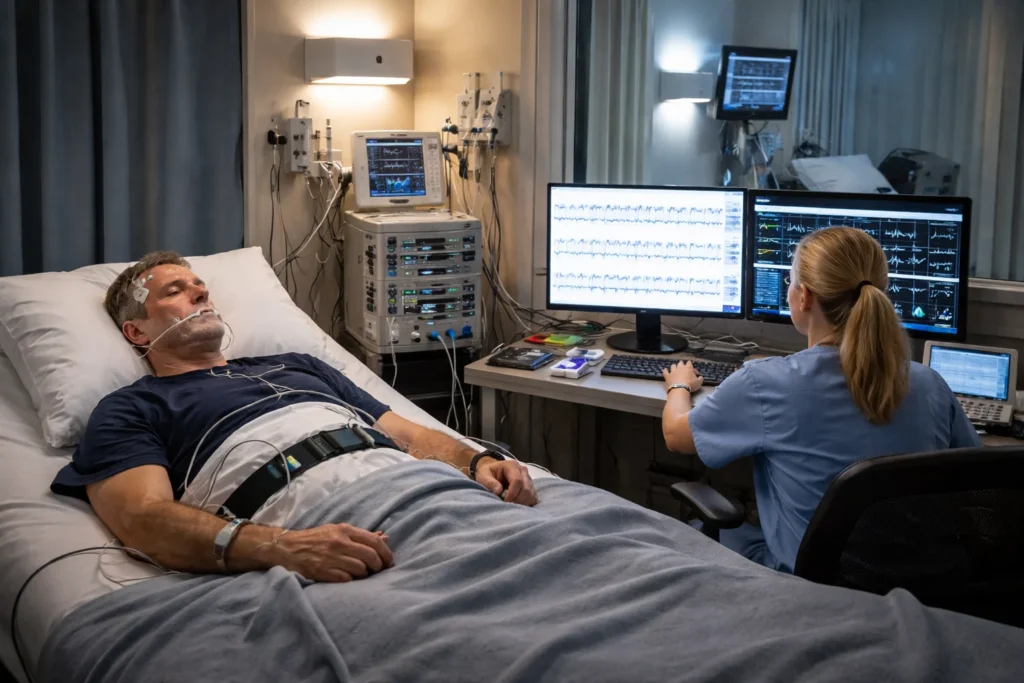
When indicated, a sleep study provides objective data that cannot be obtained through questionnaires alone. The sleep study process involves monitoring multiple body systems while you sleep, either in a sleep center or, in some cases, at home.
A sleep study typically records:
- Brain activity
- Eye movement
- Muscle tone
- Breathing patterns
- Oxygen levels
- Heart rate
- Body movement
This data reveals how well your body moves through different sleep stages and whether disruptions occur.
What Specialists Analyze During a Sleep Study
Sleep specialists carefully analyze sleep study results to identify patterns and abnormalities. They look for:
- Frequent awakenings or arousals
- Breathing interruptions
- Drops in oxygen levels
- Abnormal movements
- Irregular heart rhythms
Even subtle abnormalities can explain significant symptoms, especially when they occur repeatedly throughout the night.
Why a Comprehensive Approach Matters
Sleep disorders rarely exist in isolation. Many patients have multiple contributing factors that affect sleep quality. That’s why a comprehensive sleep assessment is essential.
This approach allows specialists to:
- Identify coexisting sleep disorders
- Understand how medical conditions affect sleep
- Evaluate the impact of lifestyle and stress
- Develop individualized treatment plans
Rather than offering one-size-fits-all solutions, comprehensive assessment ensures personalized care.
How Results Guide Treatment Recommendations
Once the evaluation is complete, specialists review the findings and explain what they mean. Treatment recommendations are based on the specific disorder identified, symptom severity, and individual health needs.
Depending on the diagnosis, treatment may include:
- Breathing support therapies
- Behavioral or cognitive strategies
- Lifestyle modifications
- Medical referrals if needed
- Ongoing monitoring and follow-up
The goal is not just better sleep, but improved overall health and daytime functioning.
Why Early Evaluation Makes a Difference
Many people live with sleep disorders for years before seeking help. Unfortunately, untreated sleep problems can increase the risk of cardiovascular disease, metabolic issues, mood disorders, and reduced quality of life.
Early evaluation allows for:
- Faster symptom relief
- Prevention of long-term complications
- Improved energy and focus
- Better emotional well-being
Seeking help sooner can dramatically change outcomes.
When to Consider a Sleep Evaluation
You may benefit from a professional sleep evaluation if you:
- Feel tired most days despite adequate sleep time
- Snore loudly or have breathing pauses
- Wake up with headaches
- Struggle with concentration or memory
- Experience mood changes linked to poor sleep
- Have medical conditions affected by sleep quality
At SONNO SLEEP CENTER, evaluations are designed to be thorough, supportive, and focused on long-term wellness.
Conclusion
A sleep evaluation is a powerful tool for understanding why sleep may not feel restorative and how it affects overall health. By examining sleep patterns, breathing, brain activity, and physical responses, sleep specialists can uncover issues that often go unnoticed. With accurate diagnosis and personalized care, it becomes possible to restore healthy sleep, improve daily energy, and protect long-term well-being. Prioritizing sleep health is a meaningful step toward a better quality of life.