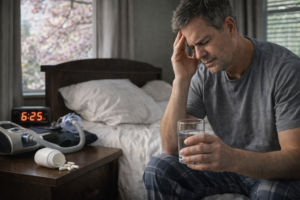
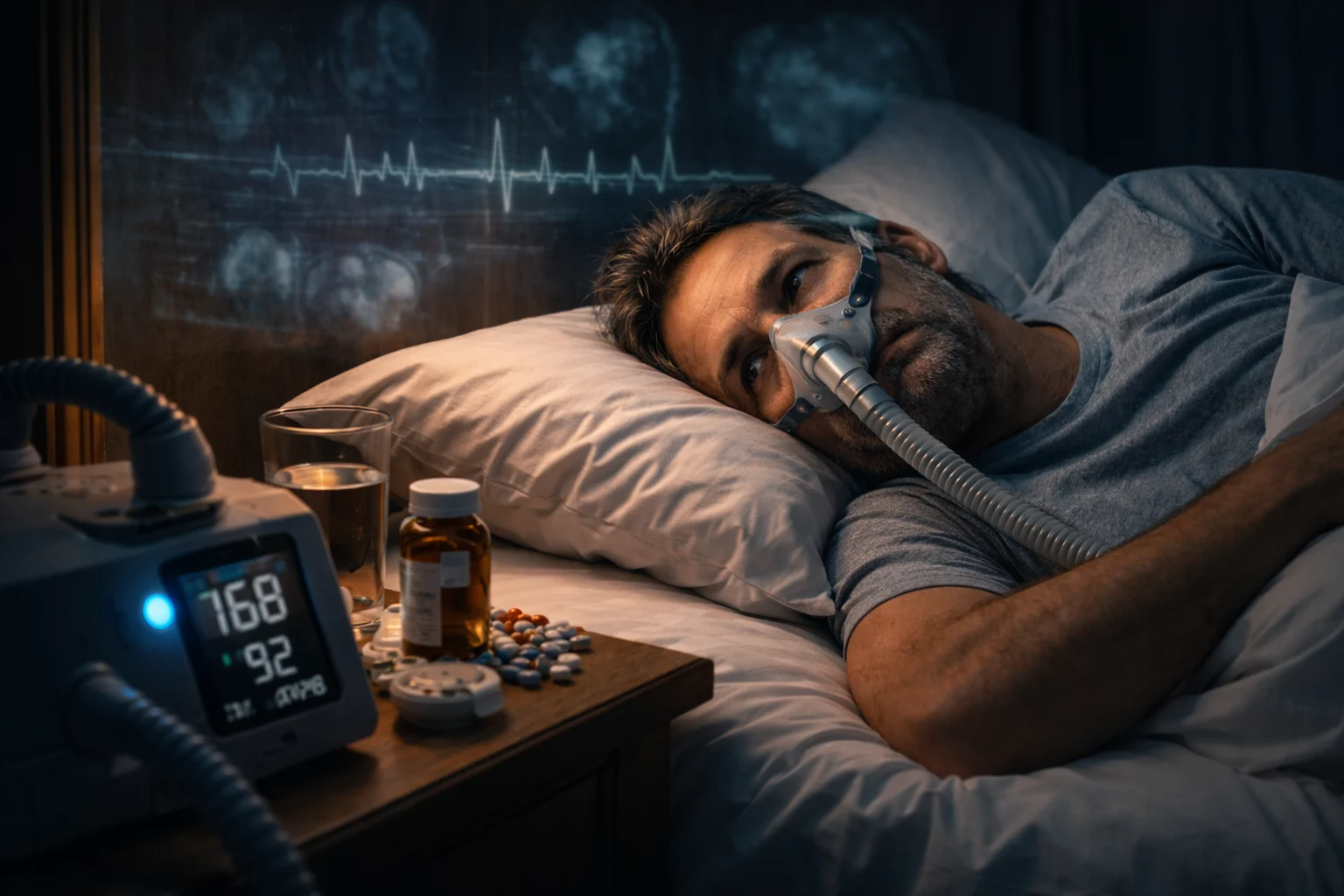
Sleep apnea is often misunderstood as a simple sleep issue—something limited to snoring or restless nights. In reality, it is a serious medical condition with far-reaching consequences that extend well beyond poor sleep quality. When left untreated, sleep apnea can quietly damage multiple systems in the body over time.
At SONNO SLEEP CENTER, many patients are shocked to learn how dangerous untreated sleep apnea can be. Understanding these risks is essential for making informed decisions about sleep health and long-term wellness.
What Happens in the Body During Sleep Apnea
Sleep apnea causes repeated interruptions in breathing throughout the night. Each pause reduces oxygen levels and forces the brain to briefly wake the body to restart breathing. These events can happen dozens—or even hundreds—of times per night.
Although most people are unaware of these awakenings, the body experiences constant stress. Instead of entering deep, restorative sleep, the nervous system remains in a state of alert, preventing proper recovery.
Why Sleep Apnea Is More Than a Sleep Problem
Because sleep apnea occurs at night, its effects are often underestimated. However, the repeated oxygen drops and stress responses place strain on nearly every organ system.
The cumulative sleep apnea health risks increase over time, especially when the condition remains undiagnosed or untreated. What may start as snoring or fatigue can evolve into serious, life-altering health problems.
The Link Between Sleep Apnea and Heart Disease
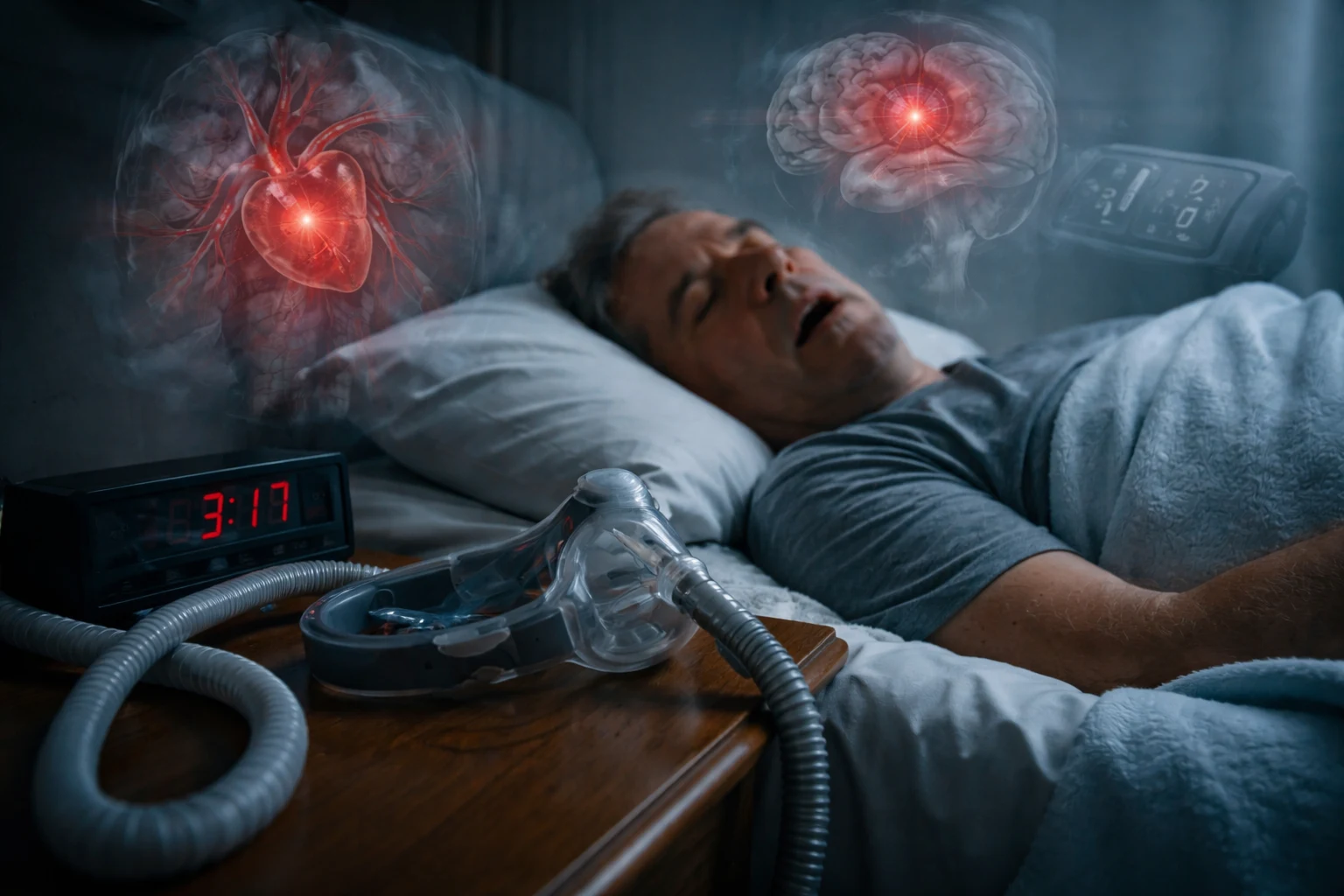
One of the most well-established consequences of sleep apnea involves cardiovascular health. Each breathing interruption triggers a surge of stress hormones, increasing heart rate and blood pressure repeatedly throughout the night.
The connection between heart disease and sleep apnea is particularly concerning because these nightly stress responses accelerate damage to blood vessels. Over time, this can contribute to:
- High blood pressure
- Coronary artery disease
- Heart rhythm disturbances
- Heart failure
Treating sleep apnea has been shown to significantly reduce cardiovascular strain and improve heart health.
How Sleep Apnea Increases Stroke Risk
The brain is highly sensitive to oxygen levels. Repeated oxygen deprivation during sleep places stress on cerebral blood vessels and disrupts healthy blood flow regulation.
The stroke risk sleep apnea poses is linked to chronic inflammation, elevated blood pressure, and changes in blood clotting mechanisms. Individuals with untreated sleep apnea are significantly more likely to experience both ischemic and hemorrhagic strokes, often at a younger age than those without sleep disorders.
Metabolic and Hormonal Consequences
Sleep apnea also interferes with the body’s ability to regulate metabolism. Disrupted sleep alters insulin sensitivity and hormone balance, increasing the likelihood of weight gain and type 2 diabetes.
Long-term metabolic effects may include:
- Difficulty controlling blood sugar
- Increased abdominal fat storage
- Heightened inflammation
- Reduced energy expenditure
These changes often create a vicious cycle, as weight gain can further worsen sleep apnea severity.
Cognitive and Mental Health Effects
Chronic sleep disruption affects the brain’s ability to function optimally. Over time, untreated sleep apnea can impair attention, memory, and executive functioning.
Many patients also experience:
- Mood instability
- Increased anxiety
- Depressive symptoms
- Reduced stress tolerance
These effects can impact work performance, relationships, and overall quality of life.
The Long-Term Effects of Sleep Disorders on Overall Health
Sleep apnea is just one example of how disrupted sleep can affect the body, but its effects are particularly severe due to ongoing oxygen deprivation.
The long-term effects of sleep disorders may include:
- Accelerated aging of the cardiovascular system
- Weakened immune response
- Increased risk of accidents due to fatigue
- Reduced life expectancy
Because these effects develop gradually, many individuals underestimate the seriousness of untreated sleep apnea until significant damage has already occurred.
Why Symptoms Often Go Ignored
One of the most dangerous aspects of sleep apnea is how easily it can be dismissed. Snoring, fatigue, or poor concentration are often attributed to stress, aging, or busy lifestyles.
Common reasons sleep apnea goes untreated include:
- Lack of awareness about symptoms
- Belief that snoring is harmless
- Underestimating daytime fatigue
- Fear or misunderstanding of treatment options
Education and early evaluation are key to breaking this pattern.
The Importance of Early Diagnosis
The earlier sleep apnea is diagnosed, the easier it is to manage. Professional sleep evaluations provide objective data about breathing, oxygen levels, heart rate, and sleep stages.
Understanding the importance of sleep apnea treatment empowers patients to take control of their health before complications develop. Treatment not only improves sleep quality but also protects vital organs from ongoing damage.
How Treatment Improves Long-Term Outcomes
Effective sleep apnea treatment restores normal breathing patterns and stabilizes oxygen levels throughout the night. As a result, the body is finally able to enter deep, restorative sleep.
Patients often experience:
- Improved energy and alertness
- Better blood pressure control
- Reduced cardiovascular risk
- Enhanced mood and mental clarity
- Improved overall quality of life
These benefits extend far beyond sleep, supporting long-term health and longevity.
When to Seek a Sleep Evaluation
You should consider a professional sleep evaluation if you experience:
- Loud or chronic snoring
- Witnessed breathing pauses
- Excessive daytime sleepiness
- Morning headaches
- Difficulty concentrating
- High blood pressure that is difficult to control
At SONNO SLEEP CENTER, comprehensive evaluations help identify sleep apnea and guide personalized treatment plans.
Conclusion
Ignoring sleep apnea can have serious and lasting consequences for physical, mental, and cardiovascular health. What may seem like a nighttime nuisance can quietly evolve into a condition that affects nearly every aspect of well-being. Seeking evaluation and treatment is a proactive step toward protecting long-term health, improving daily functioning, and enhancing overall quality of life. Prioritizing sleep health is an investment in a healthier future.