For years, snoring has been treated like the universal warning sign of sleep problems.
Loud snoring? Get checked.
No snoring? You’re fine.
But here’s the truth: not all sleep disorders make noise. At SONNO Sleep Center, many patients are surprised to learn that serious sleep disorder symptoms can exist even in people who sleep quietly. In fact, some of the most disruptive conditions are surprisingly subtle.
So if you’ve ruled out sleep issues just because you’re not a loud snorer, it might be time to reconsider.
The Myth: No Snoring Means No Problem
Snoring happens when airflow causes tissues in the throat to vibrate. It’s common — and yes, it can signal obstruction.
But not all breathing disruptions create loud vibrations.
There are forms of sleep disorders without snoring that can fragment sleep just as significantly as loud, obvious apnea.
And that’s where things get missed. Because when symptoms aren’t dramatic, people normalize them.
The Reality of Silent Sleep Apnea
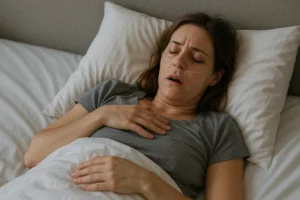
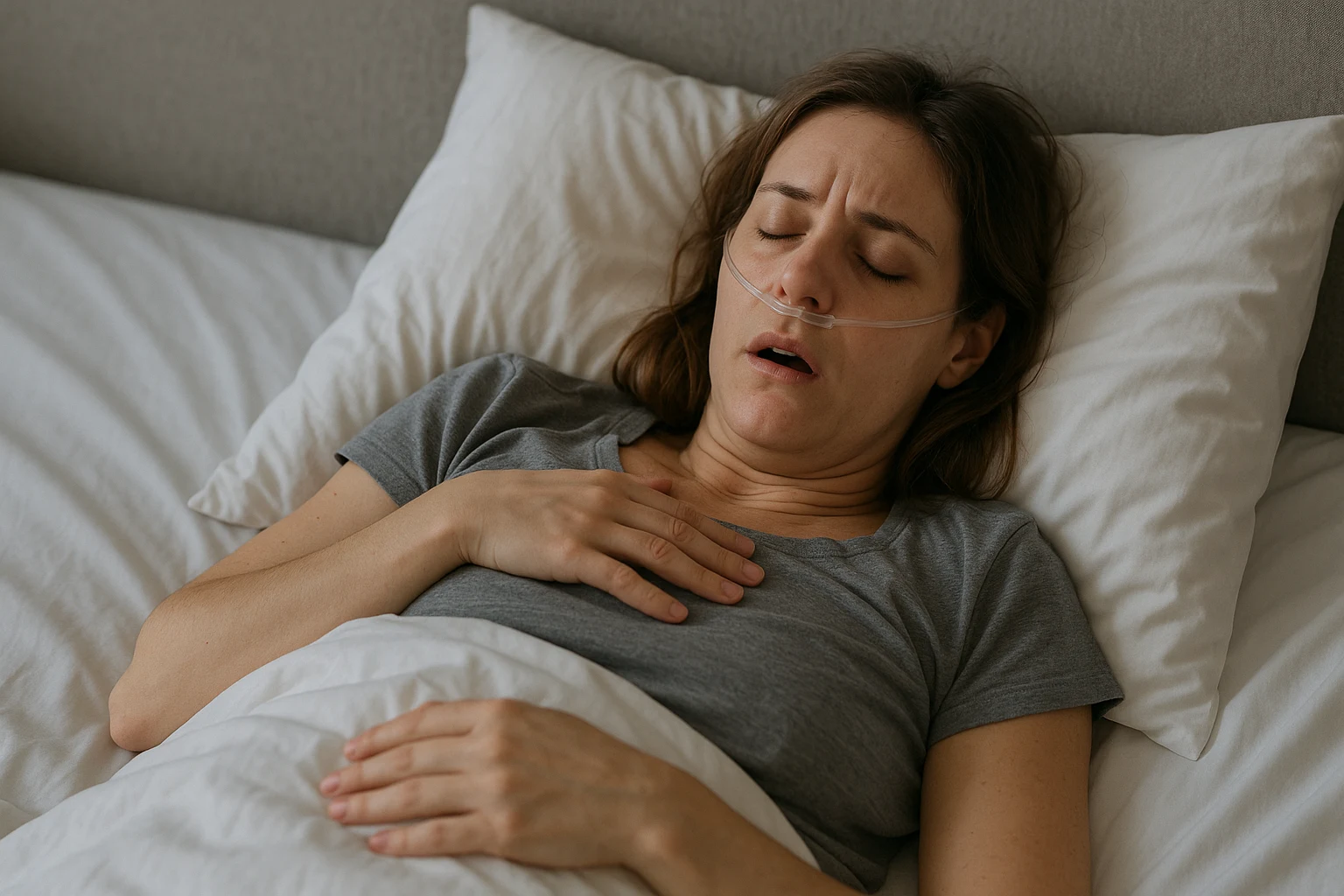
Most people associate sleep apnea with loud snoring and choking awakenings. While that is common, there’s another version many people don’t know about: silent sleep apnea.
In these cases:
- Breathing pauses may be mild but frequent
- Snoring may be minimal or absent
- Oxygen levels may drop subtly
- Sleep stages may be repeatedly disrupted
The person often has no idea.
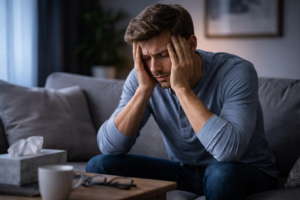
Instead of waking up gasping, they wake up tired. Foggy. Irritable. Unmotivated.
And because there’s no dramatic event, the condition can go undetected for years.
Subtle Signs of Sleep Problems
Not all signs of sleep problems happen at night.
Sometimes the clues show up during the day:
- Difficulty concentrating
- Morning headaches
- Mood swings
- Memory lapses
- Feeling unrefreshed after a full night in bed
- Needing caffeine to feel functional
Other times, nighttime clues are quiet:
- Frequent bathroom trips
- Restless movement
- Light, easily disrupted sleep
- Teeth grinding
- Night sweats
Individually, these may seem harmless.
Together, they tell a story.
Why Undiagnosed Sleep Disorders Are So Common
Many people live with undiagnosed sleep disorders simply because their symptoms don’t match what they expect.
They think:
“I don’t snore.”
“I’m not overweight.”
“I’m too young for that.”
“I sleep all night, so I must be fine.”
But sleep disorders don’t follow stereotypes.
They affect:
- Women who present differently than men
- Individuals with normal body weight
- Young adults
- Post-menopausal women
- People with high stress lifestyles
And because symptoms overlap with stress or aging, they’re often dismissed.
The Impact of Quiet Sleep Disruption
Even without loud snoring, repeated sleep fragmentation affects the body.
When sleep cycles are interrupted, the brain struggles to:
- Enter deep restorative sleep
- Sustain REM cycles
- Regulate stress hormones
- Maintain metabolic balance
Over time, this can contribute to:
- Persistent fatigue
- Elevated blood pressure
- Insulin resistance
- Mood instability
- Reduced cognitive performance
The damage isn’t always dramatic — but it is cumulative.
When to See a Sleep Specialist
So how do you know when to see a sleep specialist?
Consider scheduling an evaluation if:
- You wake up tired most mornings
- Your mood feels unstable without clear cause
- You experience frequent nighttime awakenings
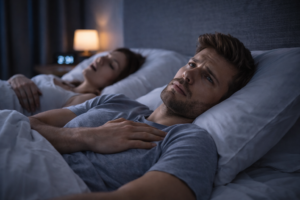
- Your partner notices breathing irregularities, even without loud snoring
- You struggle with focus or memory despite adequate time in bed
If something feels “off,” even quietly, it’s worth exploring.
Sleep should leave you feeling restored — not drained.
Why Testing Matters (Even If You Think It’s Minor)
Many patients hesitate because they assume testing is only for severe cases.
But diagnostic sleep studies are designed to measure:
- Brain wave activity
- Oxygen levels
- Breathing patterns
- Heart rhythm
- Movement disturbances
These measurements detect disruptions that you cannot feel consciously.
The data often reveals patterns patients never suspected.
And once identified, treatment can dramatically improve energy, clarity, and overall health.
You Don’t Have to Be Loud to Be at Risk
One of the most important messages we share at SONNO Sleep Center is this:
Silence does not equal safety.
You can sleep quietly and still experience significant fragmentation.
You can avoid snoring and still have airway resistance.
You can look healthy and still struggle with disrupted sleep architecture.
Sleep health is about function — not volume.
Questions Worth Asking Yourself
If you’re unsure whether your sleep is truly healthy, reflect on this:
- Do I wake up refreshed consistently?
- Can I function without multiple cups of caffeine?
- Do I feel mentally sharp most days?
- Has my mood shifted over time without explanation?
- Do I feel different on rare nights when I sleep deeply?
If the answers raise concern, that’s valuable information.
Sleep disorders often whisper before they shout.
- Common sleep disorder symptoms beyond snoring
- Understanding sleep disorders without snoring
- How silent sleep apnea affects long-term health
- Recognizing subtle signs of sleep problems
- The risk of undiagnosed sleep disorders
- Knowing when to see a sleep specialist for evaluation
Conclusion
Not all sleep disorders are loud or dramatic. Many develop quietly, affecting energy, mood, and long-term health without obvious warning signs. Recognizing subtle disruptions and seeking evaluation early can prevent years of unnecessary fatigue and health complications. If your sleep doesn’t feel restorative — even in the absence of snoring — it may be time to look deeper. Restful sleep should feel effortless, not elusive.